 HSE IPAA



Disposal of personal non-property rights
What can and cannot be transferred under a contract.
Disposal of rights and circulation of intellectual property assets
 2 modules
 Lectures and practical case reviews
 HSE IPAA certificate of completion

Disposal of intellectual property rights and legal regulation of the digital environment: computer programs, databases and information.
What can and cannot be transferred under a contract.

Alienation of an exclusive right, license and other agreements.

Specifics of protection, free use, open licenses.

When a trade secret is the right fit and how to set it up.
 Understanding the limits on disposing of personal non-property rights
Knowledge of current legislation on the disposal of exclusive rights
Skills in drafting intellectual property agreements
Ability to work with an agreement on the alienation of an exclusive right
Knowledge of the types and specifics of license agreements
Understanding the legal regulation of software creation and circulation
Command of information protection mechanisms, including the trade secret regime
Understanding the limits on disposing of personal non-property rights
Knowledge of current legislation on the disposal of exclusive rights
Skills in drafting intellectual property agreements
Ability to work with an agreement on the alienation of an exclusive right
Knowledge of the types and specifics of license agreements
Understanding the legal regulation of software creation and circulation
Command of information protection mechanisms, including the trade secret regime
In the information economy, intellectual property assets are becoming a company's key asset.

Protected as literary works but subject to a special legal regime.

Make it possible to protect information arrays, including “raw” data.

Requires a deliberate choice between civil law and information law protection mechanisms.
We review the situations where mistakes are most often made.

An information services agreement and a license agreement lead to different consequences.

How to apply free software licenses.

Rules for using programs supplied with hardware.

The trade secret regime does not suit every kind of information.
In-house lawyers
Patent attorneys
IT companies and developers
Business leaders
Licensing specialists
Authors and rights holders
Contract specialists
Two modules: disposal of intellectual property rights and civil law in the digital environment.


35 000 ₽

Installments for 12 months
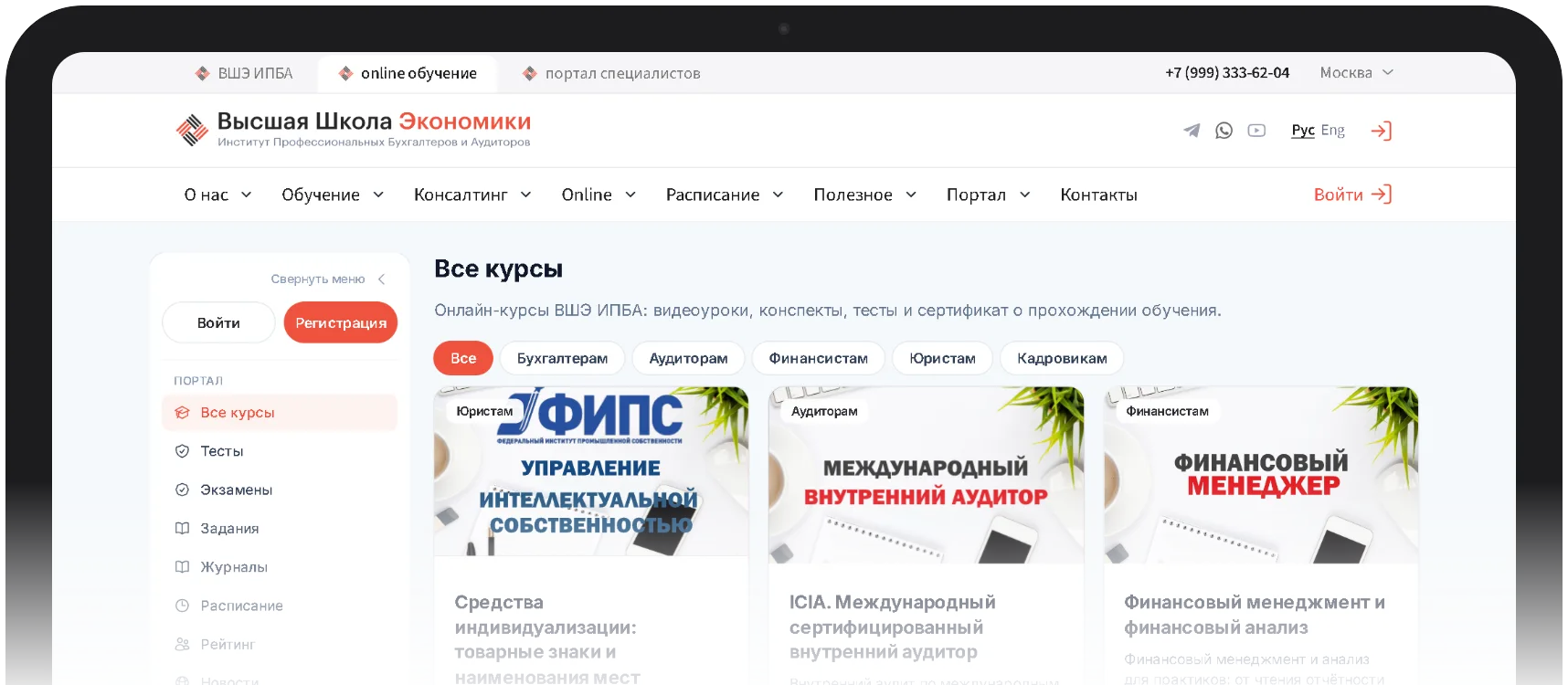
Личный кабинет с понятным интерфейсом: управляйте обучением, следите за прогрессом и общайтесь с преподавателями в одном месте.
Все лекции, презентации и задания в одном месте
Календарь с напоминаниями о ближайших занятиях
Успеваемость и выполненные задания
Смотрите лекции в удобное время
In-house lawyers, contract and licensing specialists, IT companies, business leaders, authors and rights holders — anyone who needs to systematize their knowledge of intellectual property and apply it at work.
Disposal of exclusive rights and intellectual property agreements, the legal regime of computer programs, databases and information, know-how, copyright and patent law, digital rights.
Yes. Theory is reinforced with real-life examples and analysis of typical situations where mistakes are most often made.
The program consists of two modules and includes lectures and practical case reviews. Upcoming dates are in the Schedule section.
On successfully completing the course, you receive an HSE IPAA certificate of completion. The terms of the final assessment are announced before classes begin.
35 000 ₽
Installments for 12 months
Intellectual property is increasingly a company's most valuable asset: software, databases, trademarks, know-how. The course explains how these assets are protected under Part Four of the Russian Civil Code, how to properly transfer and acquire rights to them, and how to avoid losing them through contract errors.
HSE IPAA's partner in intellectual property is FIPS, the Federal Institute of Industrial Property (FGBU FIPS).
What you will know and be able to do:
Session topics:
What you will know and be able to do: apply current legislation on the creation and circulation of software, databases and information, and understand how and with what specifics it is applied.
Key points of the session:
What you will know and be able to do:
The module covers legal issues of intellectual property protection — registration and protection of rights, including in different jurisdictions — with a focus on developing and protecting software code and algorithms.
What you will know and be able to do:
Session topics:
What you will know and be able to do: navigate the legal regulation of digital rights and understand the trends in its development.
The digital environment constantly poses new challenges for lawyers. In this module we review the key ones and approaches to addressing them.
Upcoming dates and enrollment terms are in the Schedule section. On completing the course, you receive an HSE IPAA certificate of completion.
Our specialists will help you choose a program for your goals and answer all your questions. The consultation is free!


