 HSE IPAA



Practice from day one
Role-plays, analysis of real situations and exercises in every session.
A practical course on understanding emotions, self-regulation and effective communication
 5 days
 15 academic hours
 HSE IPAA certificate of completion

Learn to recognize your emotions, understand what causes them and manage them at work and in your personal life.
Role-plays, analysis of real situations and exercises in every session.

By the end of the course, you will have your own self-development plan with concrete steps.

Applying emotional intelligence in mediation and in working with the parties to a conflict.

Session recordings and handouts in your personal account on the learning platform.
 An understanding of the nature and causes of your own emotions
Skills for managing anger, anxiety and stress
Stronger empathy and the ability to truly hear others
Effective communication within a team
Conflict resolution tools
Awareness of your personal values and boundaries
Greater stress resilience
The ability to analyze your reactions and behavior
Applying emotional intelligence in negotiations and people management
A personal self-development plan
An understanding of the nature and causes of your own emotions
Skills for managing anger, anxiety and stress
Stronger empathy and the ability to truly hear others
Effective communication within a team
Conflict resolution tools
Awareness of your personal values and boundaries
Greater stress resilience
The ability to analyze your reactions and behavior
Applying emotional intelligence in negotiations and people management
A personal self-development plan
A practical format, materials for independent work and access to session recordings.

Video lectures are available in your personal account for 6 months.

Workbooks, exercises and checklists for independent practice.

Practicing trainers and mediators with extensive group facilitation experience.
The course is open to everyone

No special requirements; a secondary education is sufficient.

Not required: the course is also suitable for entry-level professionals.

No prior preparation is needed.

Willingness to take part in exercises and role-plays.
Executives and team managers
HR professionals and recruiters
Mediators and negotiators
Educators and mentors
Anyone who wants to understand themselves and others better
5 days of 3 academic hours each: from core concepts to applying emotional intelligence in everyday life.


20 000 ₽

Installments for 12 months
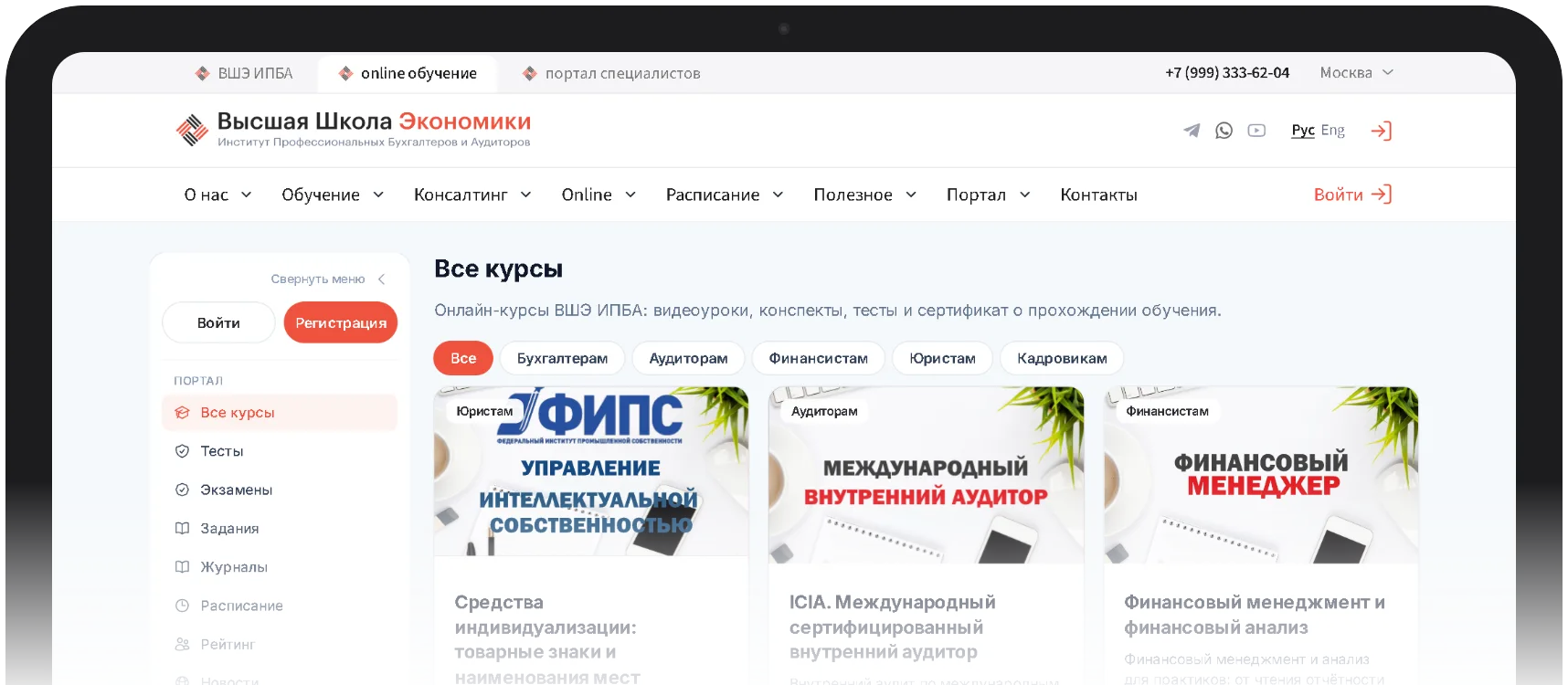
Личный кабинет с понятным интерфейсом: управляйте обучением, следите за прогрессом и общайтесь с преподавателями в одном месте.
Все лекции, презентации и задания в одном месте
Календарь с напоминаниями о ближайших занятиях
Успеваемость и выполненные задания
Смотрите лекции в удобное время
Managers, HR professionals, mediators, educators and anyone who wants to understand themselves and others better, handle stress more calmly and build good relationships within a team.
Five themed days: core concepts of emotional intelligence, interpersonal skills, self-awareness and self-regulation, applying EI at work and in personal life, and building a self-development plan. There is a separate program for mediators.
Yes. Every session includes exercises, role-plays and analysis of real situations, so new skills are reinforced in practice right away.
The course runs for 5 days of 3 academic hours each — 15 academic hours in total. Classes are held online or in person.
An HSE IPAA certificate of completion. The terms of the final assessment are announced before classes begin.
20 000 ₽
Installments for 12 months
Understanding your own emotions is the foundation of inner balance and effective work. Every emotion has a function: disgust helps us identify what is unacceptable to us; anger signals that our personal boundaries have been crossed; sadness helps us come to terms with loss; surprise shifts our attention and helps us gather more information about a new situation.
From childhood, we are more often taught to be good and obedient than to understand ourselves. As a result, many people act on other people’s expectations and overlook their own needs. Emotional intelligence helps you recognize your reactions, understand other people, and choose your behavior instead of acting on autopilot.
In this course, you will learn to recognize emotions, understand what causes them, and manage them at work, in negotiations and in your personal life.
The program will be useful for attorneys and lawyers, judges, law enforcement officers, government officials dealing with religious affairs, psychologists and educators.
Upcoming dates are in the schedule; for questions about the training, see Contacts.
Our specialists will help you choose a program for your goals and answer all your questions. The consultation is free!


