 HSE IPAA



Patent information
Publication structure, bibliographic data, claims and description of the invention. Links between documents within a patent family.
Searching and analyzing patent information to research technologies and prepare analytical reports.
 Contact a manager for dates
 150 academic hours
 HSE IPAA certificate of completion

Searching for patent documents, organizing data, researching technology areas and preparing patent landscapes.
Publication structure, bibliographic data, claims and description of the invention. Links between documents within a patent family.

How to turn a research task into queries, choose terms and classification codes, and set time and geographic boundaries.

Selecting relevant documents, removing duplicates, normalizing applicant names and preparing the dataset for analysis.

Publication trends, technology areas and market players. Charts, conclusions and a description of the research limitations.
 Define a patent research task and document selection criteria
Build search queries using keywords and patent classification codes
Analyze the structure of a patent publication and links between family documents
Organize results, remove duplicates and check data quality
Analyze applicants, the geography of publications and the development of technology areas
Prepare a patent landscape and a report with clear charts and well-founded conclusions
Define a patent research task and document selection criteria
Build search queries using keywords and patent classification codes
Analyze the structure of a patent publication and links between family documents
Organize results, remove duplicates and check data quality
Analyze applicants, the geography of publications and the development of technology areas
Prepare a patent landscape and a report with clear charts and well-founded conclusions
A systematic approach to patent information, from defining the task to a clear report.

Six modules connect task definition, document search, dataset processing and presentation of results.

A focus on reproducible searches, document references and transparent research criteria.

The methods are suited to technology reviews, research projects and information support for innovation teams.
What will help you master patent analytics and working with research data.

Skills in web search, reading professional texts and comparing sources.

Confident use of a computer and spreadsheets: sorting, grouping and analyzing data.

Choose a technology area of interest to make it easier to connect the course topics to your practice.
Intellectual property and patent information specialists
Researchers, engineers and staff of research organizations
Analysts and corporate technology development teams
Entrepreneurs and innovation project leaders
6 modules and 18 topics: from the structure of a patent document to search strategy, data processing, the patent landscape and the analytical report.


80 000 ₽

Installments for 12 months
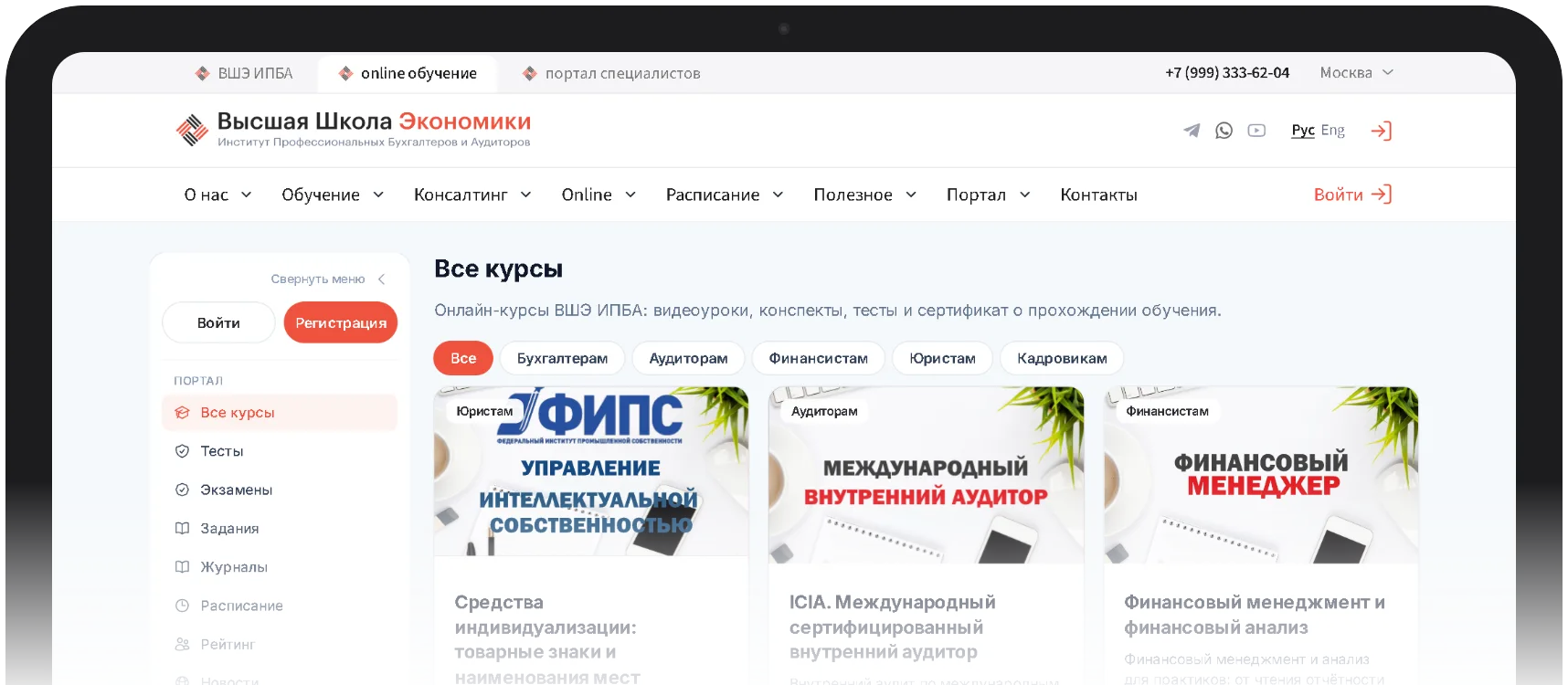
Личный кабинет с понятным интерфейсом: управляйте обучением, следите за прогрессом и общайтесь с преподавателями в одном месте.
Все лекции, презентации и задания в одном месте
Календарь с напоминаниями о ближайших занятиях
Успеваемость и выполненные задания
Смотрите лекции в удобное время
Groups start as soon as enough participants enroll, and class times are agreed with the participants. Online courses can be taken at any convenient time in the Online Learning section.
The price of each course is listed in the schedule. Terms for corporate groups are discussed separately.
Instructors with extensive practical and academic experience; many of them hold professional certifications, academic degrees and titles.
In our classroom in Moscow, at the client’s premises, or online in the Online Learning section.
Yes. Online courses are available from any region of Russia: lectures, materials and tests are gathered in your personal account in the Online Learning section.
It depends on the program: the duration is shown on each course page in the catalog. For online courses, the duration is shown to the minute.
80 000 ₽
Installments for 12 months
Patent analytics is the systematic work with documents describing technical solutions: searching, selecting, organizing and interpreting them. It helps researchers and companies understand how technologies evolve, compare development areas and track the activity of market players. The HSE IPAA program teaches methods that turn a large body of publications into clear analytical material and make conclusions well-founded and verifiable. HSE IPAA's partner in intellectual property is FIPS, the Federal Institute of Industrial Property (FGBU FIPS).
Patent publications contain technical descriptions, drawings, applicant details and other data valuable for research. But a list of retrieved documents does not by itself answer the question posed by a business or a research team. You need to define the subject of the analysis, choose sources, separate relevant solutions from random matches and explain the result. The course is dedicated to exactly this chain: task, search, conclusions.
The work starts with a research question. Next come the key concepts, synonyms, technical features and the relevant patent classification codes. The search strategy takes into account the time frame, geography and the required depth of research. In class we look at how to refine queries: wording that is too narrow misses important documents, while wording that is too broad returns a lot of noise. Recording queries and criteria makes the search reproducible.
Six modules: patent information basics, search strategy, data selection and preparation, analysis of technology areas, visualization, and report preparation. Eighteen topics take you from reading a single publication to working with a body of documents. Patent families, deduplication and normalization of applicant names are covered separately, as they directly affect the quality of the final tables and charts.
A patent landscape presents the field under study through selected indicators: publication trends, groups of technical solutions, applicants and the geography of activity. In the course we learn to choose indicators for a specific task and avoid unfounded generalizations, to group information and to compare samples. Every visualization must have clear labels, source references and an explanation of what exactly the data show.
Intellectual property specialists, researchers, engineers, analysts and staff of innovation departments. The program is also useful for technology project leaders and entrepreneurs who need to understand the information basis for development decisions. You will need computer skills, web search skills and experience with spreadsheets. If you have a professional task of your own, it will help you connect the course to your industry.
A good report states the research objective and describes the sources, the search methodology, the criteria for including documents and the results of the analysis. Tables and charts reveal patterns, and the text explains their significance for the task at hand. A mandatory part is a description of limitations: an incomplete sample, differences in data, and questions the research does not cover. The program teaches you to build a chain of evidence from the source publication to the final conclusion.
The program comprises 150 academic hours. Current fees and upcoming dates are listed on the course card and in the Schedule. To discuss the terms of study, submit a request on the website or contact us. Tell us your position, technology area and the tasks you want to solve with patent data so that the conversation about the program is specific. On completion, participants receive an HSE IPAA certificate of completion.
Our specialists will help you choose a program for your goals and answer all your questions. The consultation is free!


