 HSE IPAA



Kaizen
Training in the philosophy and practice of continuous improvement: how to raise labor productivity without major capital investment
 10:00 a.m. – 6:00 p.m.
 Kaizen workshops and case studies
 Handouts and templates
38 500 ₽
/course
30 000 ₽
/course

0
About the training
Kaizen is a constant drive to improve everything we do, translated into specific forms, methods and techniques. The training introduces the kaizen philosophy and shares practical experience of implementing it.

Developing and documenting kaizen procedures for your company

5S tools and ways to implement them in a company

Practicing skills in kaizen workshops and case studies
What you will gain
 An understanding of the core principles of kaizen
Initial skills in developing kaizen procedures
The ability to propose ideas in terms of continuous improvement
5S tools and hands-on implementation practice
Simple lean manufacturing tools
Training presentation, document templates and diagrams
Answers to your questions from practicing trainers
An understanding of the core principles of kaizen
Initial skills in developing kaizen procedures
The ability to propose ideas in terms of continuous improvement
5S tools and hands-on implementation practice
Simple lean manufacturing tools
Training presentation, document templates and diagrams
Answers to your questions from practicing trainers
Program advantages
Kaizen helps raise a company’s profitability and competitiveness without major investment

Higher productivity
Systematic small improvements deliver a tangible increase in labor productivity

Practicing trainers
Classes are led by trainers with many years of experience implementing kaizen methods

Ready-made toolkit
Document templates and diagrams for implementing kaizen in your organization
What you will need
The training is designed for managers and specialists responsible for improvement

A management role
The program is aimed at senior and middle managers

A full day
Classes run from 10:00 a.m. to 6:00 p.m.

Readiness for workshops
Knowledge is practiced in kaizen workshops and case studies

Your own process to work on
Procedures are documented with your company’s specifics in mind
Who this training is for
Senior managers
Middle managers
Quality department heads
Quality specialists
Employees responsible for improving the management system
Front-line production managers
Lean manufacturing specialists
Training program
From the concept of a process and tools for handling nonconformities to 5S, staff motivation and managerial skills

50–100%
productivity growth potential

5S
core methodology

10:00–18:00
class hours
- The concept of a process, its nature and essence. The kaizen methodology. Tools for handling nonconformities: Ishikawa diagram, cause-and-effect analysis, process FMEA, paired comparison
- Designing a process for unplanned but continuous improvements. Designing a process for continuous planned improvements
- Financial motivation: types and methods, methods for calculating improvement bonuses. Creativity techniques for generating new ideas
- The 5S methodology as an element of the kaizen system. Simple lean manufacturing tools. Simple tools from E. Goldratt’s Theory of Constraints. Answers to participants’ questions
- Developing a kaizen mindset, training staff in kaizen work, the role of the front-line manager. The SMARTER technique, getting out of “firefighting” mode, exercise “A Day in the Life of a Manager”, the Eisenhower matrix
- Principles of delegation and choosing the right person, exercise “Assigning Work”, four levels of employee maturity and management styles, feedback, TWI-based training, employee motivation, training film and Q&A session
Course price
30 000 ₽

Learn now, pay later!
3 690
₽/mo
2 875
₽/mo
Installments for 12 months
15%
Enroll in the course or get a free consultation
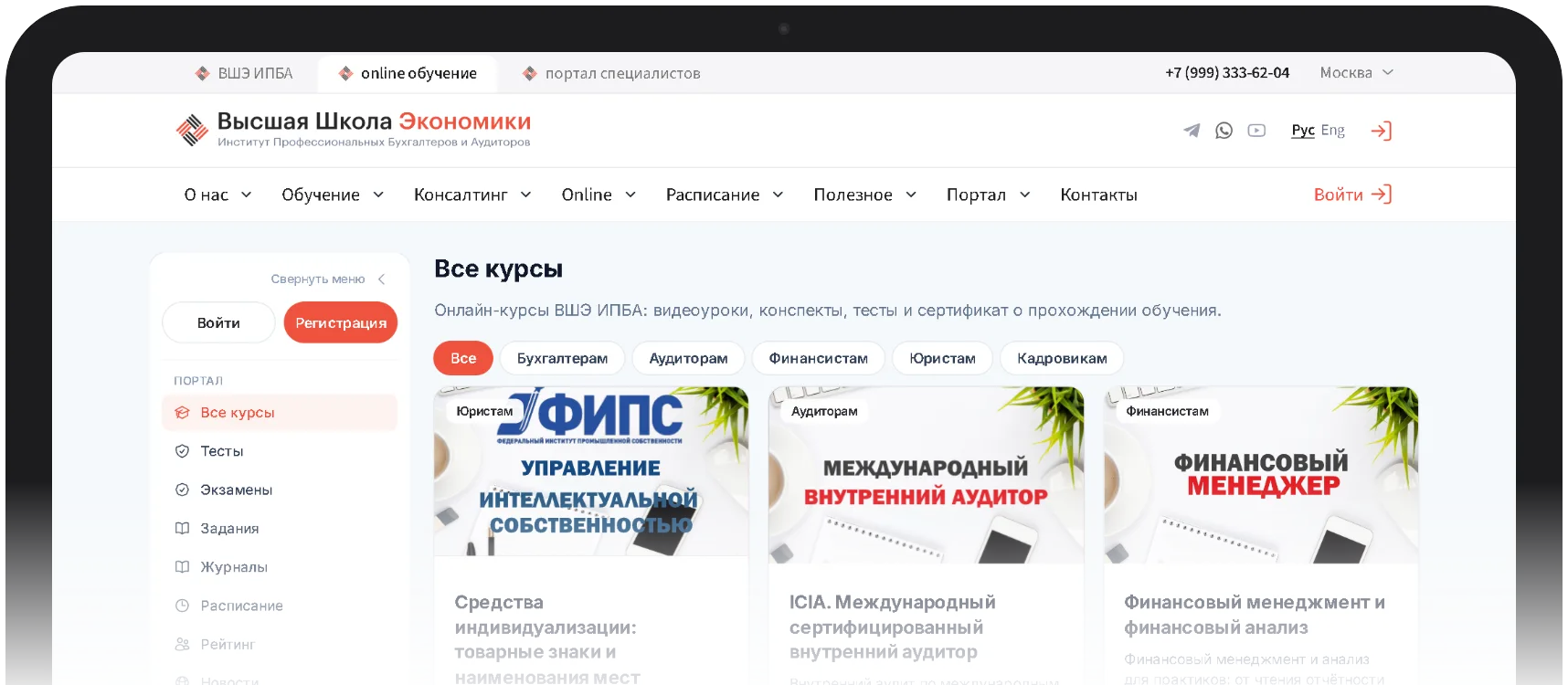
Удобная платформа для обучения
Личный кабинет с понятным интерфейсом: управляйте обучением, следите за прогрессом и общайтесь с преподавателями в одном месте.
Учебные материалы
Все лекции, презентации и задания в одном месте
Расписание занятий
Календарь с напоминаниями о ближайших занятиях
Прогресс
Успеваемость и выполненные задания
Видеолекции
Смотрите лекции в удобное время
FAQ: Kaizen training
Who is the Kaizen training for?
Senior and middle managers, quality department heads and specialists, and employees responsible for improving the management system and processes at their company.
What does the program cover?
The kaizen methodology and tools for handling nonconformities, designing planned and unplanned improvements, staff motivation, 5S, simple lean manufacturing and Theory of Constraints tools, and front-line management skills.
Are there practical sessions?
Yes. Knowledge is practiced in kaizen workshops, case studies and practical exercises on setting tasks, delegation and communication.
How are classes run?
Classes run from 10:00 a.m. to 6:00 p.m. in a training format with workshops and case studies.
What materials do participants receive?
An electronic copy of the training presentation, plus document templates and diagrams needed to implement kaizen in your organization.
Course price
30 000 ₽
Learn now, pay later!
3 690
₽/mo
2 875
₽/mo
Installments for 12 months
15%
Enroll in the course or get a free consultation
Kaizen is a constant drive to improve everything a company does, translated into specific forms, methods and techniques. The system makes it possible to raise labor productivity, profitability and competitiveness without major capital investment. The training is designed as a first introduction to the kaizen philosophy and to share practical experience of implementing it.
Who it is for
- Senior and middle managers.
- Quality department heads and specialists.
- Employees responsible for improving the company’s management system.
Learning outcomes
Participants will:
- Learn the core principles of kaizen.
- Gain initial skills in developing and documenting kaizen procedures tailored to their company.
- Learn to apply kaizen principles to business processes, workplace organization and strategic management.
- Learn to think and propose ideas in terms of continuous improvement and a lean approach to business.
- Study 5S tools and ways to implement them in a company.
- Practice what they have learned in kaizen workshops and case studies.
Class hours: 10:00 a.m. to 6:00 p.m.
Program
- The concept of a process, its nature and essence.
- The kaizen methodology.
- Tools for handling nonconformities: Ishikawa diagram, cause-and-effect analysis, process FMEA, paired comparison and others.
- Designing a process for unplanned but continuous improvements.
- Designing a process for continuous planned improvements.
- Motivating staff to improve: types and methods of financial motivation, methods for calculating improvement bonuses.
- Creativity techniques for generating new ideas.
- The 5S methodology as one element of the kaizen system.
- Simple lean manufacturing tools.
- Simple tools from E. Goldratt’s Theory of Constraints.
- Answers to participants’ questions.
Handouts
- Electronic copy of the training presentation.
- Document templates and diagrams for implementing kaizen in your organization.
Instructors
Practicing trainers with many years of experience implementing kaizen methods.
Management block
Developing a kaizen mindset among employees and training staff in kaizen work. The role of the front-line manager in developing production, and the personal and professional qualities required.
Waste in leadership and communication and its impact on the front-line manager’s work. Training film “Is It Easy to Be a Manager?”, part 1.
The system for interaction and development of production staff. Setting tasks that drive the end result: criteria for a well-set task. Practical exercise using the SMARTER technique.
How to get out of constant “firefighting” mode. Exercise “A Day in the Life of a Manager”: setting priorities, the Eisenhower matrix.
Delegation: why managers avoid it, key principles, rules for assigning tasks, choosing the right person. Exercise “Assigning Work”: what can and cannot be delegated.
Four levels of employee maturity. Management styles: which style to use, when and with whom. Assessing an employee’s readiness for a specific task. Exercise on choosing a management style, setting tasks and the type of control.
Tools for effective communication: constructive conversation techniques, seven rules of good feedback, handling objections and sabotage — five steps of a two-minute conversation. Practical exercise on interacting with staff.
Employee training and development: identifying training needs, the competency matrix, types of training, TWI (Training Within Industry) — on-the-job training and mentoring.
The manager as a leader: how to build a position in which employees propose solutions themselves. The language of solutions versus the language of problems.
Motivating employees to deliver results: working with individual motivation, tools for assessing motivators, shared interests of the company and the employee, typical management mistakes, how to get the team excited about a project idea. Training film “Is It Easy to Be a Manager?”, part 2.
Q&A session.
Not sure which program to choose?
Our specialists will help you choose a program for your goals and answer all your questions. The consultation is free!
Reach us in one click: call us.
+7 (999) 333-62-04
contact us via messengers


